Karawankentunnel
Second tube ceremonially opened – milestone for safety and infrastructure in the Alpine region.
PROJECT OF THE MONTH 04/2026. With the successful opening to traffic of the second tube of the Karawankentunnel on 18 March 2026, one of the most significant infrastructure projects in the Alpine region has been completed on schedule. This major international project along the A11 Karawanken Motorway sustainably enhances road safety between Austria and Slovenia and sets new benchmarks in tunnel engineering.
As a long-standing partner, FCP Fritsch, Chiari & Partner Ziviltechniker GmbH played a key role in the project delivery and, since 2015, has been responsible for the central function of Independent Project Control (IPC).
Location. Carinthia
Client. ASFINAG Bau Management GmbH
Services. Independent Project Control (IPC)
Involved CCs. CC Infrastructure Project Management
Project Overview: Karawankentunnel – Second Tube
The Karawankentunnel is a key cross-border tunnel linking Austria and Slovenia and is jointly operated by ASFINAG and DARS (Slovenia). The construction of a second tunnel tube, together with the planned refurbishment of the existing tube, will significantly improve traffic safety and optimise tunnel operations in the long term.
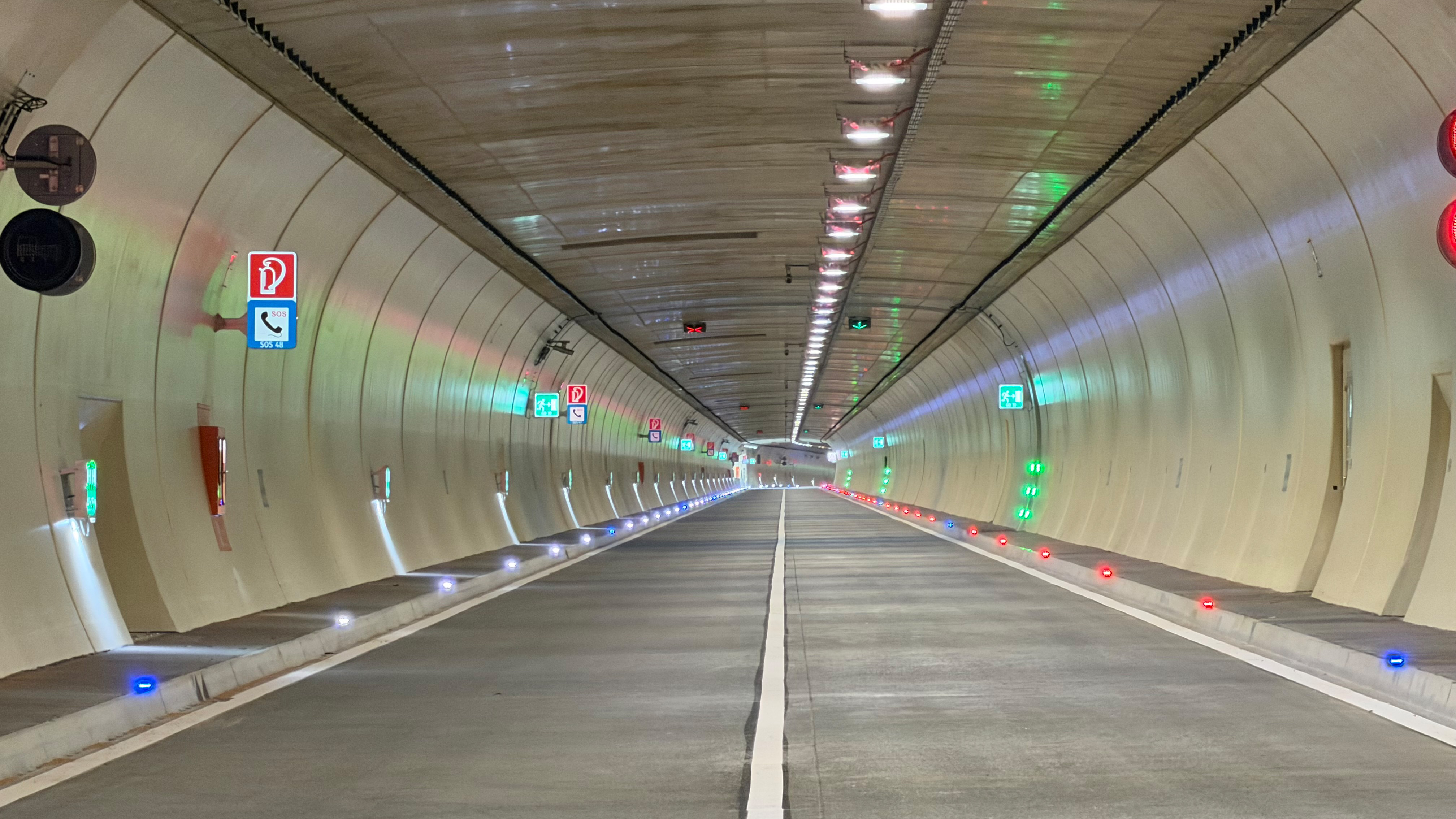
The tunnel has a total length of 7,948 metres, of which 4,402 metres are on Austrian territory and 3,546 metres on Slovenian territory. Each carriageway is designed with a width of 3.5 metres, enabling safe unidirectional traffic in the future. The internal clearance height is 5.15 metres with an intermediate ceiling and increases to 7.79 metres without an intermediate ceiling.
Particular emphasis was placed on safety systems: a total of 36 emergency call niches, 8 lay-bys, 7 service recesses and one turning bay were constructed. In addition to state-of-the-art ventilation, lighting, traffic monitoring systems and CCTV, both tunnel tubes are equipped with premium safety features that allow traffic to be switched to temporary contraflow operation within minutes in the event of an incident (e.g. an accident in one tube). The safety concept is further enhanced by cross-passages at intervals of less than 350 metres, enabling rapid evacuation in emergencies.
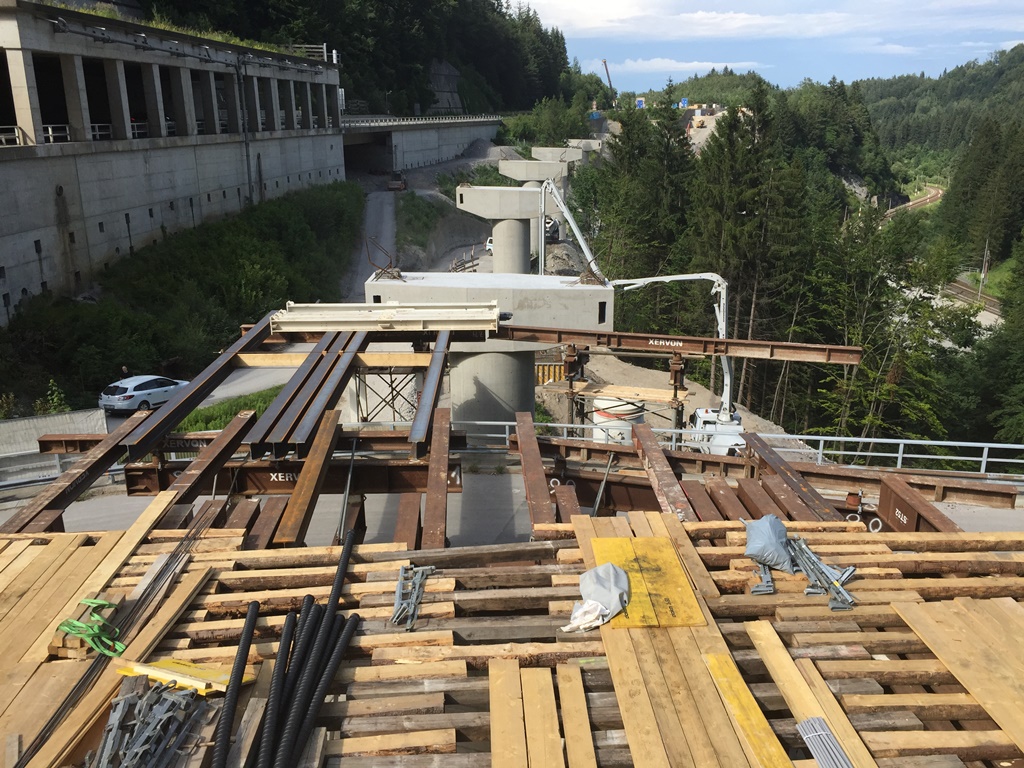
The ventilation system combines longitudinal and transverse ventilation, supported by 24 jet fans to ensure efficient smoke extraction and air management. Another technical highlight is the newly constructed 344-metre-long bridge at the northern portal, designed as a prestressed slab girder structure supported on individual circular piers.
Holistic Project Support Over a Decade
FCP was engaged throughout the entire project duration in the central role of Independent Project Control. The combined expertise of the Competence Centres Infrastructure Project Management and Building Construction PM & GP enabled integrated oversight across all project phases.
This holistic approach ensured that cost, quality and schedule remained under continuous control – a decisive success factor for a project of this scale.
Technical Highlights and Challenges
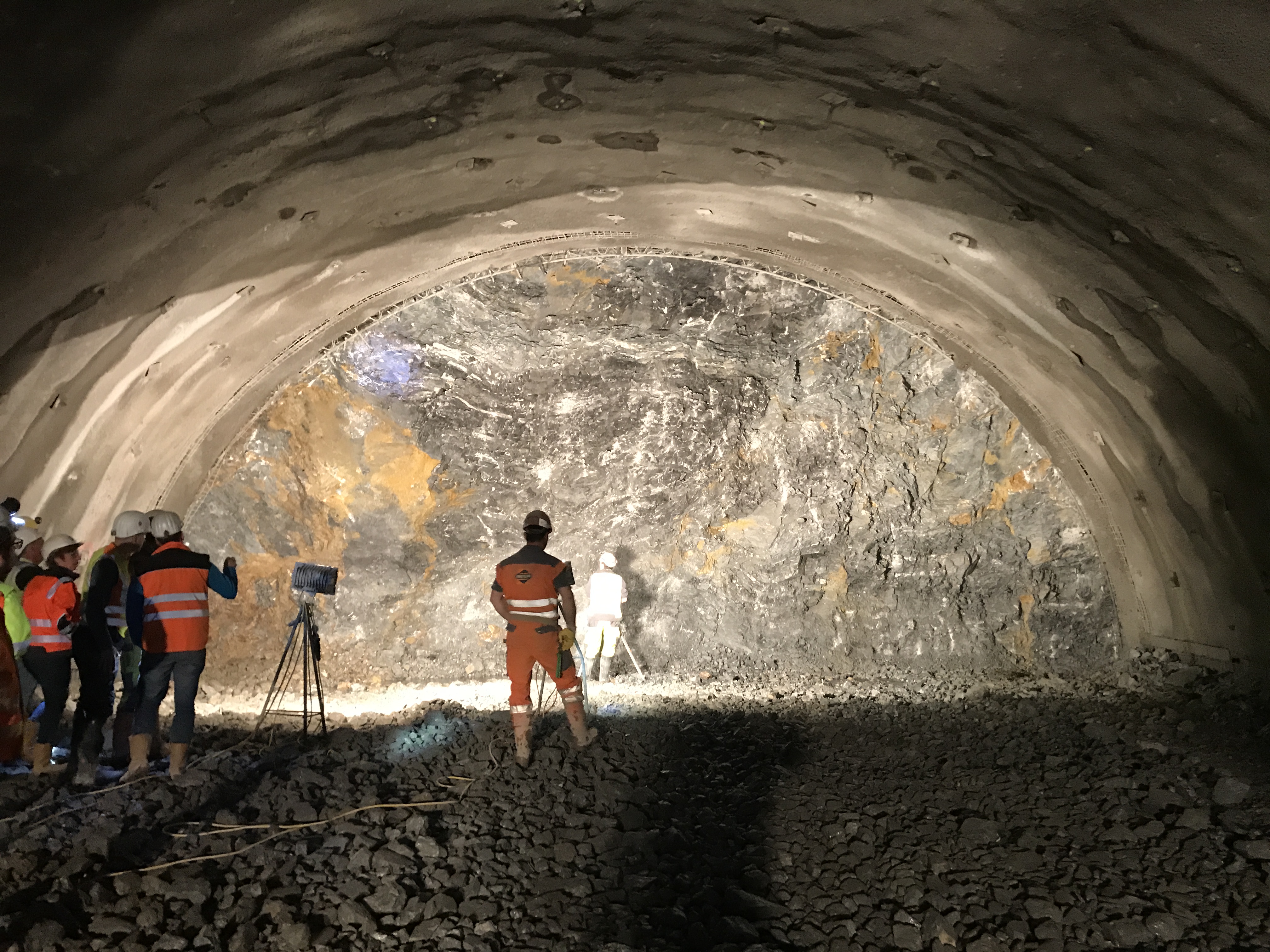
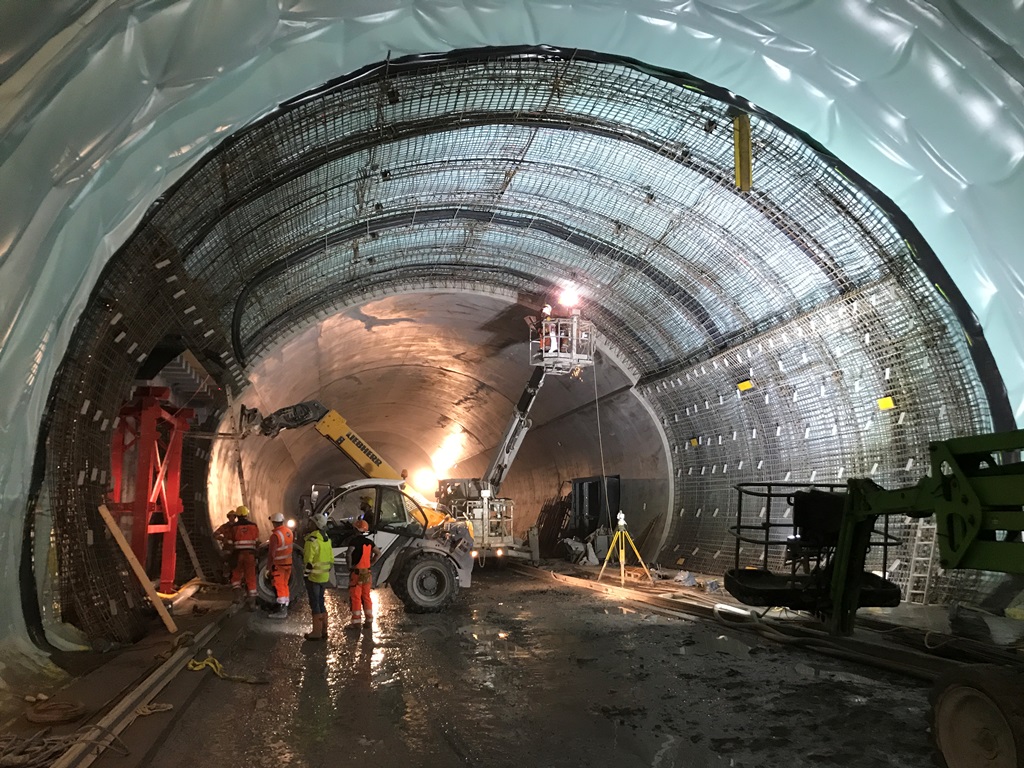
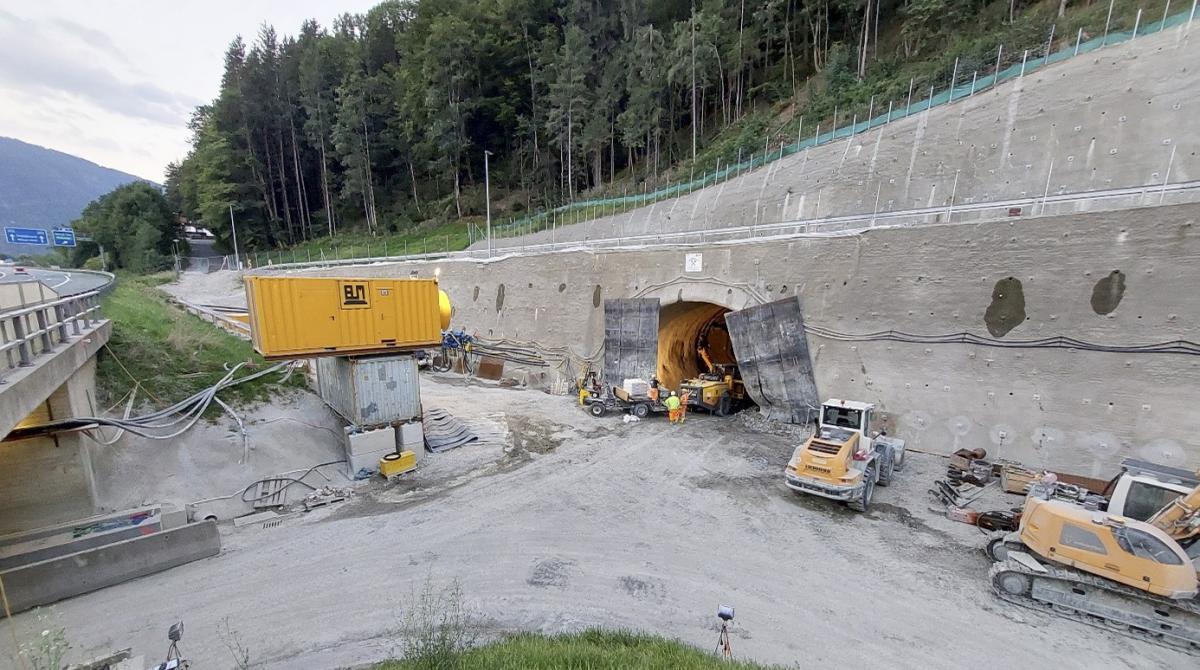
The construction of the second tube, located to the east of the existing tube, included not only tunnelling works but also complex civil engineering structures and refurbishment measures. These comprised the construction of the new tunnel tube in accordance with the latest safety standards, the erection of a bridge, several retaining structures in the northern portal forefield, and the rehabilitation of existing anchored retaining walls.
In addition, highly complex operational and safety systems were integrated, and an innovative ventilation concept was implemented. The combination of new construction and parallel refurbishment of the existing structure placed significant demands on planning, coordination and execution.
Successful Completion After More Than Ten Years
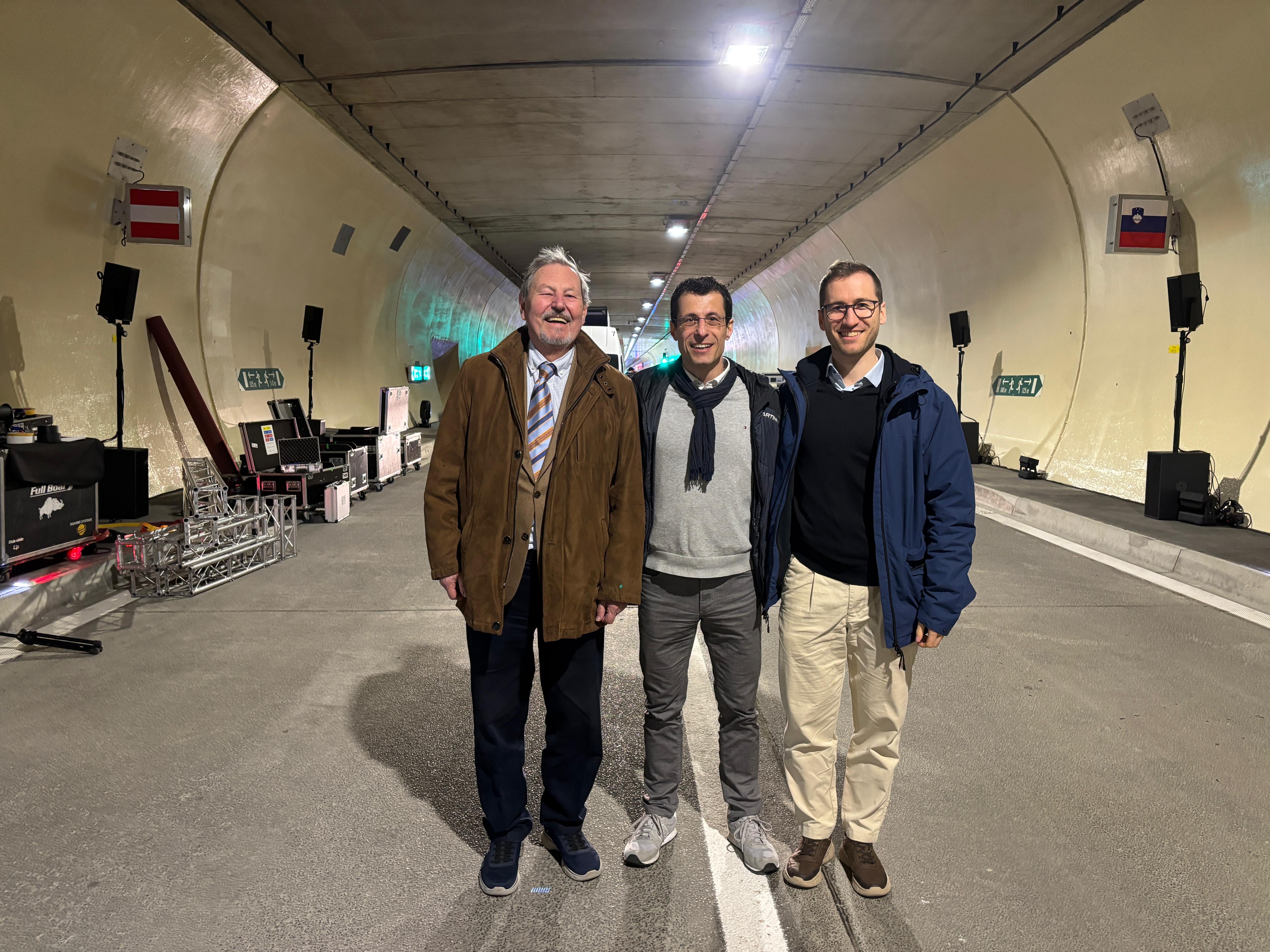
After more than a decade of project development and approximately seven years of construction, the second tunnel tube was ceremonially opened and commissioned on 18 March 2026. This milestone represents a major step forward for transport infrastructure in the Alpine-Adriatic region and makes a substantial contribution to improving road safety.
Sustainable Added Value for European Transport
Following completion of the second tube and the subsequent three-year refurbishment of the existing tube, the Karawankentunnel will operate with unidirectional traffic. This will significantly reduce accident risks and improve traffic flow, while also enabling the comprehensive modernisation of the existing tunnel tube.
With this project, FCP once again demonstrates its expertise in delivering complex infrastructure projects and reinforces its role as a reliable partner for sustainable, safe and future-oriented mobility solutions.