KliNa® Spotlight: Educational Campus Seestadt Aspern III
KliNa Spotlight 11/2026 | Life Cycle Analysis, Material Documentation and Demolition Concept as Bases for Circular-Oriented Design
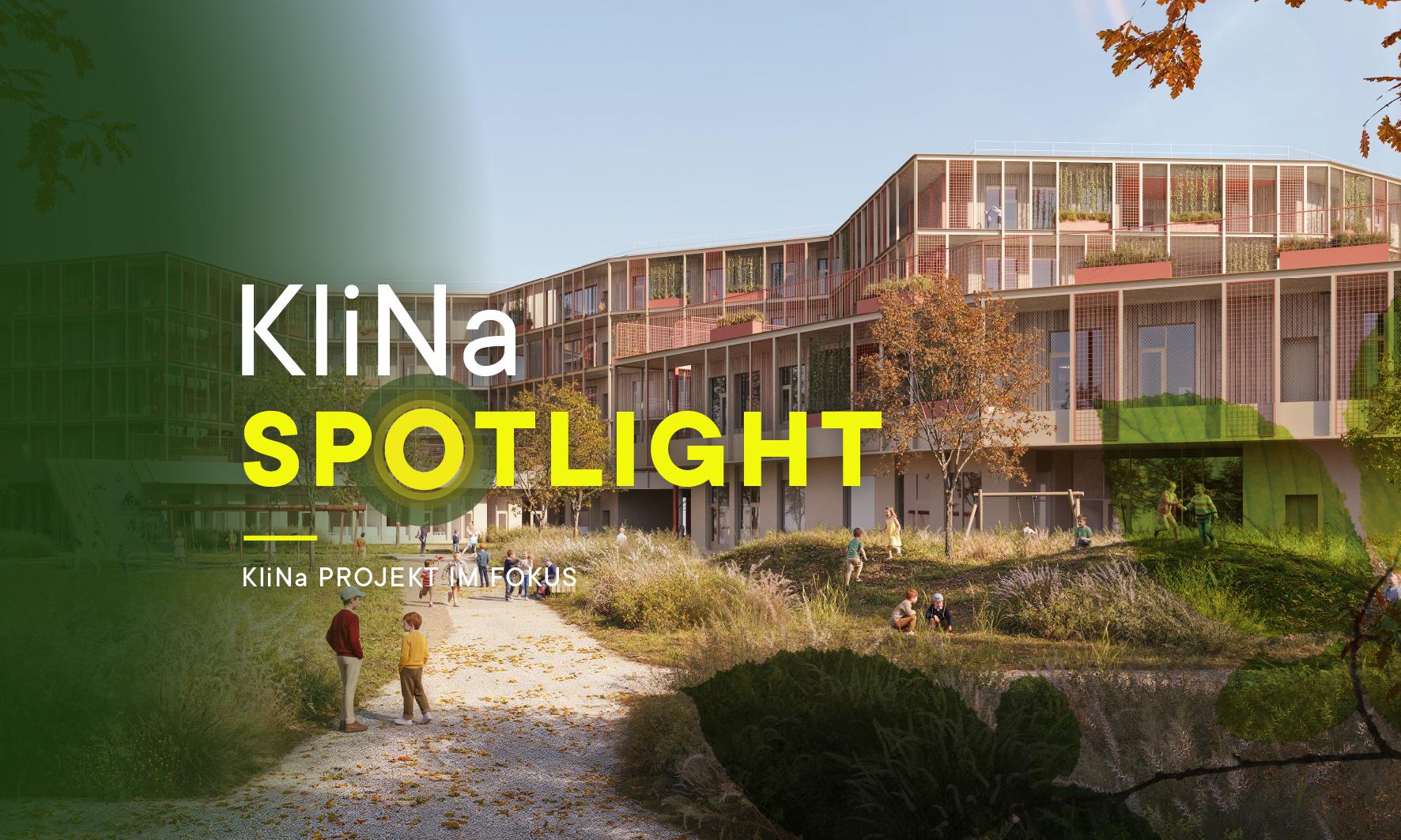
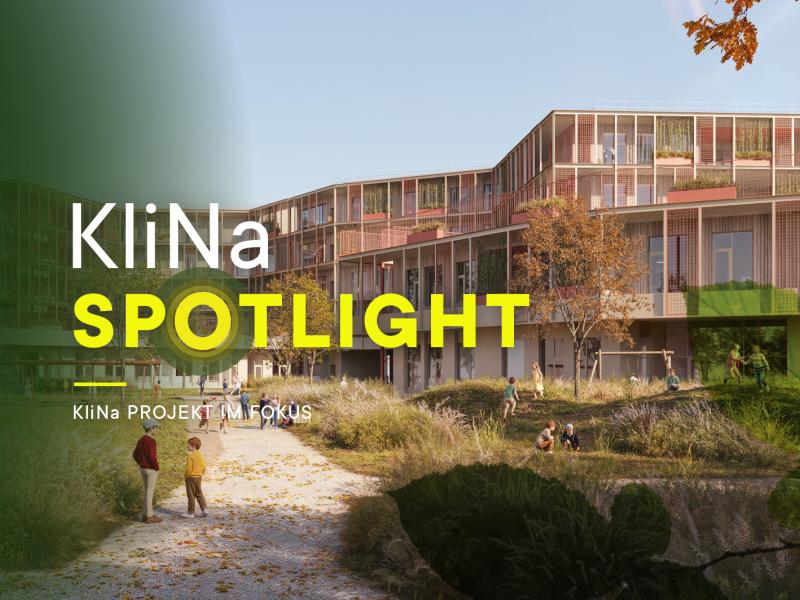
FCP is mainly responsible for building physics, sustainability design, structural design and BIM management in the educational campus Seestadt Aspern III in Sonnenallee in Vienna. The sustainability aspects include the assessment of environmental impacts, the life cycle of buildings and the preparation of future material cycles.
Consider Environmental Impacts over the Life Cycle
A life cycle analysis is intended for sustainability design of the educational campus. It serves for the assessment of environmental impacts of a building for different life phases – from the production of building materials to utilization up to demolition. Thus, the consideration of the later energy demand beyond the operation also concerns the materials used.
Supplementarily, design also considers sustainable material management, an assessment according to the EU taxonomy and the circularity factor. A taxonomy assessment analyses the classification due to the relevant criteria for sustainable business activities. It is strictly speaking no proof for any conformity reached. Specific assessment results or numbered reductions of emissions are not designated in the available project briefing but only in combination with a study of alternatives.

A life cycle analysis serves for the assessment of environmental impacts of a building for different life phases – from the production of building materials to utilization up to demolition.
Document Materials, Consider Demolition
A material building pass as well as a demolition and circular economy concept make information on building materials available to consider later handling already in the design phase. A digital building model serves as a primary data source. Material layers are definitely assigned so that quantities and masses can be derived. Which materials can be actually reused or recycled depends on their status and the conditions in later demolition.
FCP Combines Several Design Disciplines
FCP is responsible for building physics, sustainability design, design-build, BIM management, tendering, structural design and drainage in the educational campus Seestadt Aspern III. The scope of services also includes a microclimate simulation with which the local climatic conditions in the project area shall be examined.
Classification in the KliNa Initiative
FCP concentrates competences for climate protection and sustainability in different project phases by means of KliNa®. The spotlight on the educational campus Seestadt Aspern III shows specific design tasks: assessment of environmental aspects, structuring of material information and consideration of later demolition. The focus is on the specialist bases for decisions on the handling of resources.
FaCt box: Educational Campus Seestadt Aspern III
Location
Sonnenallee, construction field E7, 1220 Vienna
FCP services
Building physics, sustainability, design-build, BIM management, tendering, structural design, drainage, microclimate simulation
Sustainability instruments
Life cycle analysis, material building pass, demolition concept, circular economy concept, sustainable material management, assessment of the EU taxonomy, circularity factor